
Posted on: June 03, 2026
Optimal Nutritional Care for All – Paris Conference Highlights
Held on 1 and 2 June in Paris, the 2026 Optimal Nutritional Care for All (ONCA) Conference brought together healthcare professionals, researchers, policymakers, patients and industry experts to discuss how nutritional care can be strengthened across Europe. The event highlighted both the importance of nutritional care and the practical steps needed to ensure equitable, effective support for all patients.
The theme of this year’s conference was ‘From Awareness to Access: Delivering Optimal Nutritional Care to Every Patient’ and it was great to have so many people attend including delegates from the British Association of Enteral and Parenteral Nutrition (BAPEN), Specialised Nutrition Europe (SNE) and Medical Nutrition Industry (MNI).
Why Nutritional Care Matters More Than Ever
Nutrition is a basic human right. Appropriate dietary care is essential for improving outcomes across all stages of life. The conference emphasised that despite advances in healthcare, undernutrition remains under-recognised despite affecting one third of all patients.
Experts stressed that optimal nutritional care is not just about food availability but about right nutrition, delivered at the right time, tailored to individual needs.
Speakers highlighted strong progress in translating EU leadership into action, particularly through the inclusion of nutrition in the EU Beating Cancer Plan and the EU Safe Hearts Plan.
A Holistic Approach to Nutrition
One of the central themes of the conference was the importance of a holistic, patient-centred approach. This includes:
Early screening and assessment: Identifying nutritional risks in hospitals, communities, and care homes.
Personalised nutrition plans: Recognising that nutritional needs differ based on age, medical condition, lifestyle, and cultural context.
Integration into healthcare systems: Ensuring nutrition is a core part of treatment, not an afterthought.
Speakers highlighted that integrating nutrition into routine medical care can significantly improve recovery times, reduce complications, and lower healthcare costs. Nutrition needs to be considered as a medical therapy and comparisons with statins for cardiovascular disease was provided as numbers needed to treat patients is similar to undernutrition!
In Germany, there has been a real positive movement and perseverance of engaging with Parliamentarians has led to the Hospital Reform Act being introduced in April 2026 which mandates identification and treatment of malnutrition.
International Classification of Diseases, 11th revision (ICD-11)
ICD-11 is the latest global standard for diagnosing, reporting, and monitoring diseases, developed by the World Health Organization (WHO). Speakers from the WHO attended to present the updated ICD-11 which was accepted in October 2025 and will be active from January 2027. The new ICD-11, which has been designed for digital use, now includes:
5B72 Undernutrition in adults, which includes 3 subgroups:
5B72.0 – Undernutrition in adults related to disease with moderate to severe inflammation
5B72.1 – undernutrition in adults related to disease with non-discernible inflammation
5B72.2 – Undernutrition in adults related to starvation
This is a huge advancement for the recognition of undernutrition and highlights the importance of nutritional status and nutritional care by:
making nutrition visible and measurable in healthcare systems
improving awareness and acknowledgment of nutrition related conditions
supporting earlier identification
strengthening continuity of care
Nutrition is a Non-Negotiable Priority
Another highlight was the importance of nutrition as a treatment, not a luxury. Countries should:
Invest in dietitians to save lives and reduce healthcare costs
Legislate for change to ensure equitable access to nutrition care.
The second day of the conference saw an opportunity to have breakout workshops.
LIFE: the Leading Intestinal Failure Equality initiative raised the importance of intestinal failure – the forgotten organ - as a hidden disability and discussed the launch of Intestinal Failure Awareness Day which takes place on 1 February each year. A number of resources have been created for this important awareness day and the group discussed themes to help with raising awareness and getting more people involved.
ICD-11 in practice: a pan-European implementation plan: Discussions on where countries are at with implementation and what can be done to ensure effective implementation were had. Participants were asked to engage with their local policy leads and engage with all stakeholders.
Key Takeaways
Healthcare Integration: Nutrition should be part of routine healthcare, helping prevent disease and support recovery.
Education & Access: Prioritising education of the importance of nutrition.
ICD-11: ensuring effective implementation of ICD-11 to ensure nutritional status is visible.
Looking Ahead
As the conference in Paris demonstrated, achieving optimal nutritional care for all requires collaboration, continuous research, and a commitment to equity. With the right strategies and shared efforts, it is possible to move toward a future where everyone has access to the nutrition they need to thrive. BSNA looks forward to collaborating on the themes in the UK over the next 12 months and to progressive discussions at the next ONCA Conference in 2027.

ONCA Group Photo
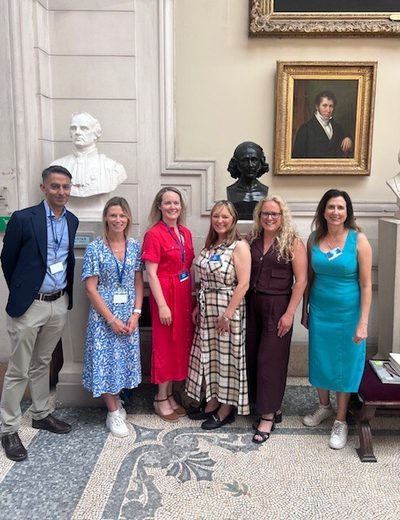
UK Delegation

SNE Delegation